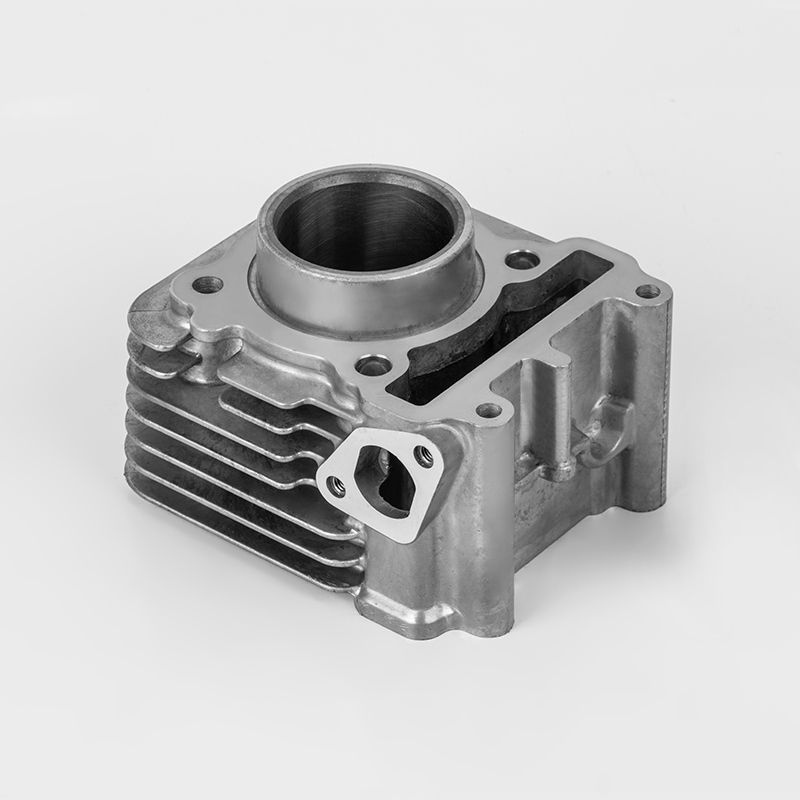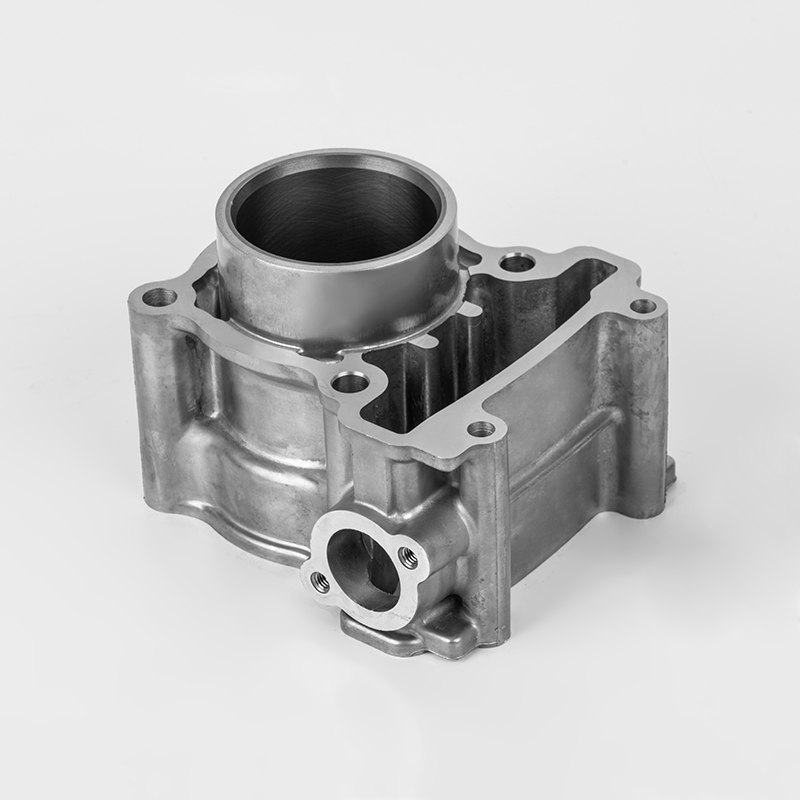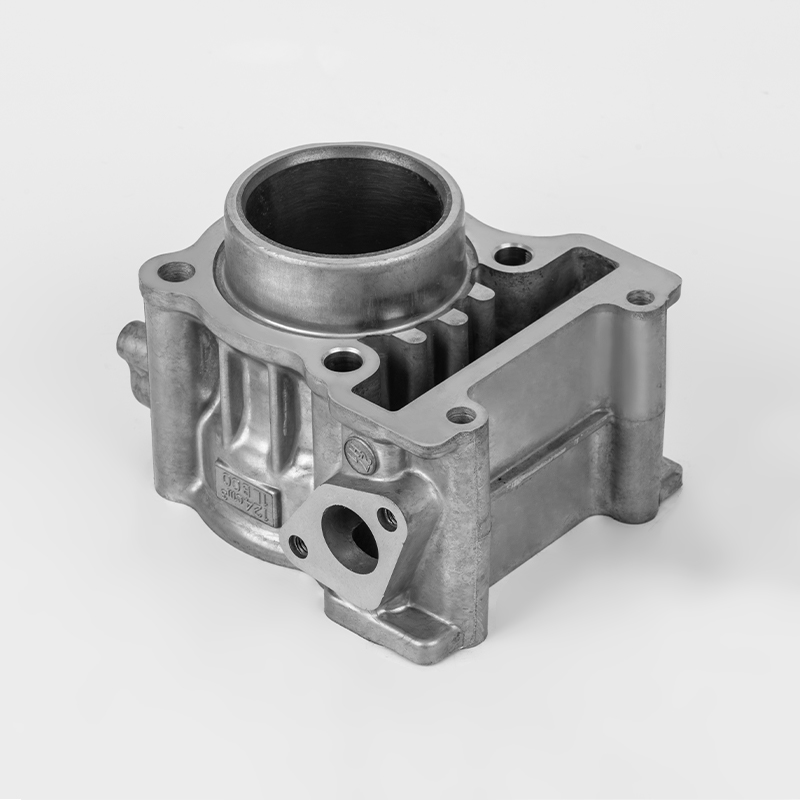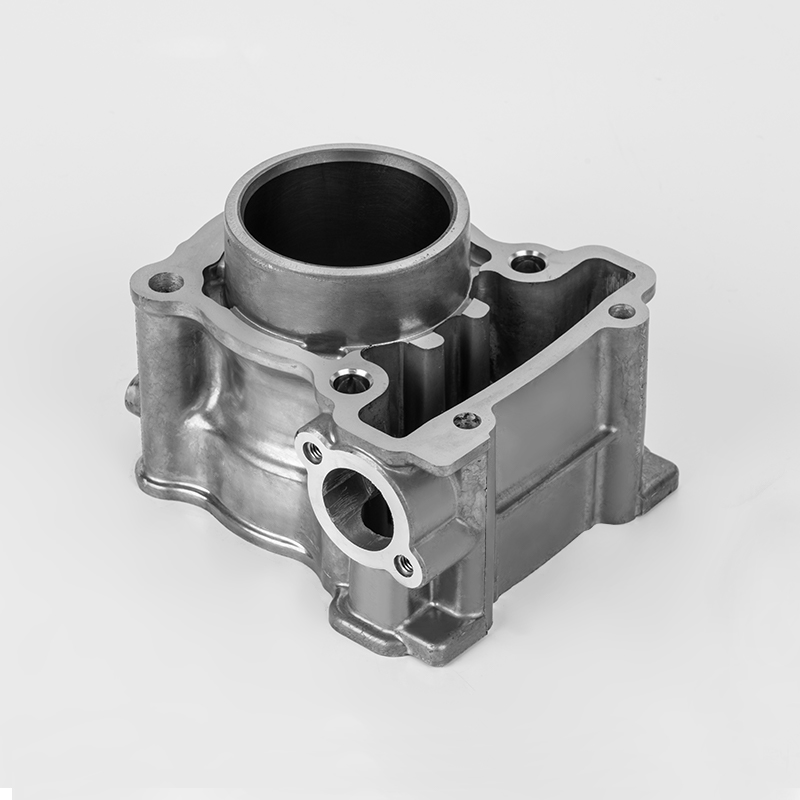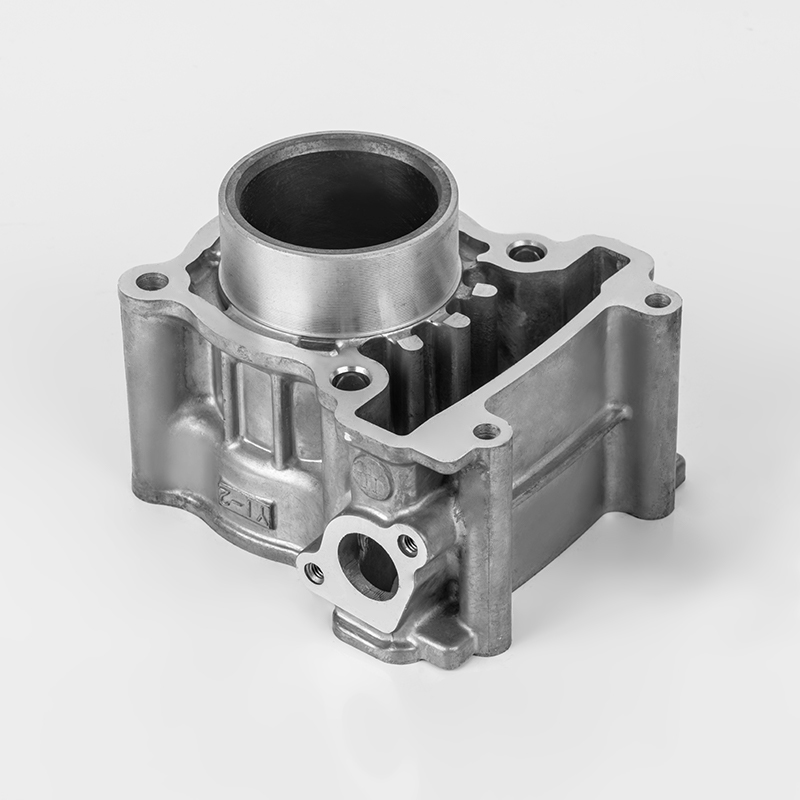



How Much Does It Cost to Replace a Dead Motorcycle Cylinder?
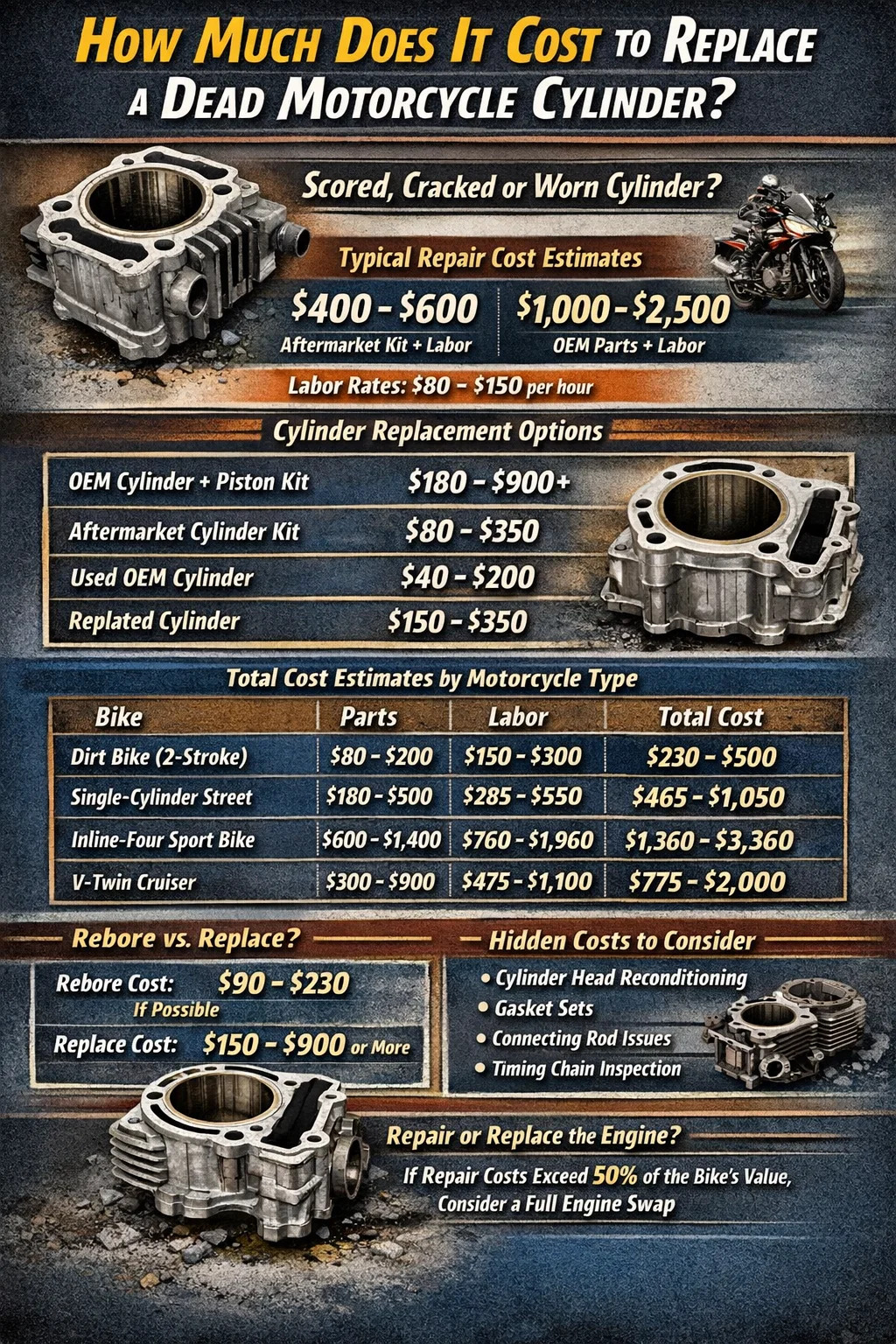
If your motorcycle cylinder has seized, cracked, or worn beyond spec, you are looking at a repair bill that typically ranges from $300 to $1,500 or more, depending on the engine type, the cost of the replacement cylinder or cylinder kit, and the labor rate at your shop. On a small single-cylinder commuter bike, a budget-friendly aftermarket cylinder kit can cost as little as $80 to $150 for parts alone. On a high-displacement twin or four-cylinder sport bike, OEM cylinder components can push past $600 to $900 before a mechanic ever picks up a wrench. Add labor — which typically runs $80 to $150 per hour — and a job that takes four to eight hours, and total costs climb fast.
The bottom line: budget at least $400 to $600 for a typical single-cylinder repair with a reputable aftermarket kit and moderate labor rates. For multi-cylinder engines or premium OEM parts, plan for $1,000 to $2,500. The sections below break down every factor that drives that number and help you decide whether replacement, reboring, or a full engine swap makes the most sense for your situation.
What Counts as a Dead Motorcycle Cylinder?
Before spending money, it helps to confirm the cylinder is actually the problem. Mechanics use the term "dead cylinder" loosely, but the failure modes that actually require cylinder replacement — rather than simpler fixes — are specific.
Scored or Seized Cylinder Walls
When oil supply fails — due to a clogged oil passage, a failed oil pump, or running the engine without oil — the piston skirt or rings drag directly against the aluminum or iron bore wall. This creates deep vertical scoring. Once scoring exceeds roughly 0.004 inches in depth, the surface cannot be honed back to a usable finish. A scored motorcycle cylinder wall destroys ring seal, causes blowby, and will consume oil at a rate that makes riding impractical.
Cracked Cylinder Barrel
Overheating, hydraulic lock from water ingestion, or a dropped motorcycle can crack the cylinder barrel. Hairline cracks near the base gasket surface or coolant jacket (on liquid-cooled engines) may not be obvious during casual inspection but will leak coolant, allow combustion gases to escape, and worsen rapidly under heat cycling. Cracks cannot be reliably repaired on a performance engine cylinder — replacement is the only safe path.
Worn Beyond Oversize Limit
Most motorcycle cylinders can be bored out to accommodate oversize pistons in increments of 0.25 mm (0.010 inch), typically up to 1.00 mm (0.040 inch) over stock. Once the bore reaches the maximum oversize — or if the cylinder wall is too thin to safely remove more material — the cylinder must be replaced. High-mileage engines on older bikes commonly reach this point after two or three reboring cycles over tens of thousands of miles.
Nikasil or Plated Bore Damage
Many modern motorcycle cylinders — particularly those on Honda, Yamaha, KTM, and Husqvarna off-road and sport bikes — use a nikasil (nickel silicon carbide) or similar hard plating applied directly to an aluminum bore. These surfaces are extremely hard and durable under normal conditions, but they cannot be rebored with standard tooling. If the plating is damaged, peeling, or corroded (a known issue on some models when ethanol-blended fuel causes chemical attack), the entire cylinder must be replaced or sent to a specialist for replating, which itself costs $150 to $350 per cylinder.
Parts Cost: Motorcycle Cylinder Replacement Options
The largest variable in your total repair cost is which replacement part you choose. There are four main routes, each with a distinct price range and tradeoff.
| Part Option | Typical Cost (Parts Only) | Best For |
|---|---|---|
| OEM Cylinder + Piston Kit | $180 – $900+ | Warranty repairs, late-model bikes |
| Aftermarket Cylinder Kit (e.g., Wiseco, Vertex) | $80 – $350 | Older bikes, budget builds, performance upgrades |
| Used OEM Cylinder (pulled from donor engine) | $40 – $200 | Rare or discontinued models, tight budgets |
| Replated Cylinder (send-out service) | $150 – $350 per cylinder | Nikasil-bore bikes, performance builds |
OEM Parts
OEM (original equipment manufacturer) parts are sourced directly from the motorcycle manufacturer or their authorized distributors. They guarantee fitment and meet factory tolerances exactly. For a 2020 Honda CRF450R, for example, an OEM cylinder retails around $280 to $320, and the matching piston kit adds another $120 to $180, putting parts alone near $450. For a multi-cylinder engine like a Kawasaki Ninja ZX-6R, replacing all four cylinders with OEM parts could reach $1,200 or more just in components.
Aftermarket Cylinder Kits
Brands like Wiseco, Vertex, ProX, and LA Sleeve manufacture cylinder and piston kits for hundreds of motorcycle models. These typically include the cylinder barrel, piston, rings, pin, and clips — everything needed for a complete top-end rebuild. Quality varies, but well-known brands produce parts that meet or exceed OEM specs. A Wiseco top-end kit for a Yamaha YZ250F runs roughly $180 to $260. An equivalent OEM set from Yamaha is closer to $380 to $450. The savings are real, and for off-road and older bikes, aftermarket kits are the standard choice among experienced builders.
Used OEM Cylinders
Salvage yards, eBay Motors, and online forums often carry used cylinders pulled from wrecked or parted-out bikes. This route carries the most risk — you cannot always verify bore measurements or internal condition from photos — but for discontinued models where new parts are unavailable, it may be your only option short of replating. If buying used, always request bore measurements and inspect photos of the bore under light for scoring before purchasing. Insist on a return policy if possible.
Labor Costs: What Mechanics Actually Charge
Labor is often where the total cost surprises people. Replacing a motorcycle cylinder is not a bolt-on job — it requires removing fairings, the fuel tank, the exhaust, the carburetor or throttle body, the cylinder head, and then the cylinder itself. On some models, the engine must be removed from the frame entirely.
Typical Labor Hours by Engine Type
- Single-cylinder thumper or dirt bike (e.g., KTM 350 EXC-F, Honda CRF250R): 2 to 4 hours. These engines are designed for serviceability. An experienced mechanic can pull the top end and reinstall in under 3 hours on a good day.
- Single-cylinder street or dual-sport (e.g., Royal Enfield Meteor 350, Honda CB300R): 3 to 5 hours. More bodywork and hardware to remove before accessing the engine.
- Parallel twin (e.g., Kawasaki Z650, Yamaha MT-07): 5 to 8 hours. Two cylinders mean double the head bolts, two pistons, and more careful assembly.
- Inline-four (e.g., Honda CBR600RR, Suzuki GSX-R1000): 8 to 14 hours. The engine often needs to come out of the frame. Cramped access, four cylinders, and precise torque specs on reassembly drive hours up significantly.
- V-twin (e.g., Harley-Davidson Sportster, Ducati Multistrada): 5 to 10 hours depending on configuration. Harley Evolution and Twin Cam engines are relatively accessible; Ducati desmo valvetrain adds complexity.
Shop Rate Ranges by Region
Independent motorcycle shops typically charge $75 to $110 per hour in most parts of the US. Dealerships — especially for European brands like BMW Motorrad, Ducati, and KTM — commonly bill at $120 to $160 per hour. In major metropolitan areas (Los Angeles, New York, Chicago), rates at independent shops often run $95 to $130 per hour. In rural areas, you can sometimes find rates as low as $65 per hour at smaller independent shops.
Using these numbers, a 4-hour job at an independent shop charging $95/hr means $380 in labor. The same job at a dealership charging $140/hr costs $560 in labor — before a single part is ordered.
Total Cost Estimates by Motorcycle Type
Combining parts and labor, here is a realistic picture of what you will spend on a full motorcycle cylinder replacement across common bike categories.
| Motorcycle Type | Parts Estimate | Labor Estimate | Total Estimate |
|---|---|---|---|
| Dirt bike / MX (single-cylinder, 2-stroke) | $80 – $200 | $150 – $300 | $230 – $500 |
| Dirt bike / MX (single-cylinder, 4-stroke) | $150 – $400 | $200 – $380 | $350 – $780 |
| Single-cylinder street / dual-sport | $180 – $500 | $285 – $550 | $465 – $1,050 |
| Parallel twin street bike | $350 – $900 | $475 – $880 | $825 – $1,780 |
| Inline-four sport bike | $600 – $1,400 | $760 – $1,960 | $1,360 – $3,360 |
| V-twin cruiser / adventure | $300 – $900 | $475 – $1,100 | $775 – $2,000 |
Rebore vs. Replace: Which Makes More Financial Sense?
Not every worn motorcycle cylinder needs outright replacement. If the bore wall is simply worn past the standard clearance spec but not scored or cracked, a machine shop can bore the cylinder to the next oversize and fit a matching oversize piston. This process costs significantly less than buying a new cylinder.
Cost of Reboring a Motorcycle Cylinder
A machine shop will typically charge $40 to $80 to bore and hone a single motorcycle cylinder to a specified oversize. Add an oversize piston and ring set — which runs $50 to $150 for most common engines — and you are spending $90 to $230 total for parts and machine work, compared to $150 to $900 for a new cylinder kit. The savings are meaningful on a budget build.
When Reboring Is Not an Option
- The cylinder already has a nikasil, chrome, or other hard plating that standard boring tools cannot cut through without damaging
- The bore has already been taken to its maximum oversize (typically 1.00 mm or 0.040 inch over stock)
- Deep scoring, cracks, or thermal damage exists — honing alone cannot restore the surface
- The cylinder wall thickness at the maximum oversize would fall below the manufacturer's minimum specification
- No oversize pistons are available for the specific engine (common on newer or uncommon models)
In these cases, replacing the cylinder is the only viable path to a reliable repair.
Additional Costs That Often Get Overlooked
A motorcycle cylinder replacement rarely happens in isolation. Once the top end is opened, mechanics almost always find — or recommend addressing — related components that have also suffered wear or damage. Skipping these items to save money now commonly results in another engine teardown six months later.
Cylinder Head Inspection and Reconditioning
Since the head comes off during a cylinder replacement, this is the logical time to inspect valve seats, valve guides, and the head gasket surface. A basic valve job (cleaning, lapping, and checking for proper seal) at a machine shop runs $80 to $180 for a single-cylinder head. If valve guides are worn or seats need cutting, add $150 to $300 more. On a 4-stroke engine, this work is worth doing — especially if the bike is several years old or has more than 20,000 miles.
Gasket Sets
Every seal and gasket disturbed during teardown should be replaced. A top-end gasket kit for most motorcycles costs $25 to $80. Never reuse the head gasket — a failed head gasket on a rebuilt engine means tearing everything apart again, which costs far more than the $20 to $40 saved by reusing the old one.
Connecting Rod and Wrist Pin
If the cylinder failure was caused by a lubrication failure (seized piston, spun bearing, broken ring that damaged the bore), the connecting rod and small-end bearing often suffered damage as well. A new connecting rod assembly for a common dirt bike engine runs $60 to $180. On a street bike with a more complex engine, rod replacement adds $150 to $400 in parts. Inspect the rod bearing bore and small end for scoring before reassembling — replacing a rod during the open engine costs a fraction of what it costs to open the engine a second time.
Timing Chain or Cam Chain Tensioner
On overhead-cam engines, the cam chain tensioner is often accessible during a top-end rebuild. Automatic tensioners wear out and can cause cam chain rattle or, in severe cases, timing skips. A replacement tensioner costs $15 to $60 for most bikes and takes less than 10 minutes to swap during an open rebuild. Skipping it and then having the tensioner fail six months post-rebuild is a frustrating and expensive mistake.
Oil Pump and Strainer Inspection
If oil starvation caused the cylinder failure, the oil pump and pickup strainer should be inspected before the engine goes back together. A clogged strainer can be cleaned for free. A worn oil pump with excessive clearance should be replaced — typically $40 to $120 for a replacement pump on common engines. Putting a freshly rebuilt top end back on an engine with a marginal oil pump is a recipe for repeating the same failure.
DIY vs. Professional Repair: Saving Money on Cylinder Replacement
If you have mechanical aptitude and the right tools, replacing a motorcycle cylinder yourself is achievable on most single-cylinder engines. The labor savings are substantial — cutting $250 to $700 in shop charges on a typical top-end job. Here is a realistic assessment of what DIY requires.
Tools You Need
- A complete socket and wrench set (metric, typically 8mm through 17mm for most motorcycles)
- A torque wrench — non-negotiable for head bolt torque sequences, which range from 18 ft-lb to 60+ ft-lb depending on the engine
- A piston ring compressor or suitable ring installation tool
- A bore gauge or snap gauge to verify cylinder roundness and wear (optional but recommended — a decent dial bore gauge kit runs $40 to $120)
- The manufacturer's factory service manual (FSM) for your specific model — do not rely solely on YouTube or forums for torque specs
- A clean, organized workspace and containers for sorted hardware
Common DIY Mistakes That Cost More in the End
- Incorrect piston ring orientation: Most 4-stroke rings have a top and bottom side, and ring gaps must be staggered to specific positions. Installing rings upside down or with gaps aligned causes immediate compression loss and oil burning.
- Skipping the torque sequence on head bolts: Head bolts must be torqued in the correct sequence and often in multiple stages (e.g., first pass 15 ft-lb, second pass 32 ft-lb, final pass 44 ft-lb). Skipping this causes uneven clamping load and head gasket failure.
- Not measuring the new bore clearance: A new cylinder or freshly bored cylinder must have the correct piston-to-wall clearance — typically 0.001 to 0.003 inches depending on the engine. If the clearance is too tight, the piston will seize again.
- Rushing the break-in period: A freshly rebuilt cylinder and piston must be broken in gently — typically 30 to 60 minutes of varied throttle under light load — before being ridden hard. Skipping break-in glazes the cylinder wall and prevents proper ring seating.
Multi-cylinder street bikes are generally not ideal DIY projects for first-timers. The engine removal process, the number of components involved, and the precision required make professional service worthwhile on inline-fours and complex V-twins unless you already have significant mechanical experience.
Is It Worth Repairing or Should You Replace the Whole Engine?
For some bikes — particularly older models with high mileage and multiple worn components — a full engine swap may be more economical than a single cylinder replacement. This calculation changes based on the bike's value, the availability of donor engines, and how much other work the engine needs.
When a Used Engine Makes Sense
A low-mileage used engine from a salvage bike — available on eBay, Craigslist, and specialty salvage yards — can cost $200 to $800 for a common single-cylinder or parallel-twin. If your current engine has a bad cylinder plus worn bearings, a scored bore, and questionable valve seals, you may spend $700 to $1,200 rebuilding it only to discover another failure within months. A swap into a known-lower-mileage donor engine at $400 to $600, plus $200 to $400 in labor, can be the smarter long-term decision.
The 50% Rule
A rough guideline used by many mechanics: if the repair cost exceeds 50% of the motorcycle's current market value, it is worth considering whether the investment makes financial sense. A 2008 Honda CBR600RR in fair condition is worth roughly $4,500 to $5,500. A cylinder replacement job running $1,800 to $2,200 sits right at that threshold. The repair may still be worth it if you like the bike, but it is a decision worth making consciously rather than by default.
How to Get an Accurate Repair Quote
Getting a reliable estimate before committing to a repair saves frustration. Here is how to approach the process.
- Request an inspection teardown quote first. Many shops charge $50 to $150 to pull the top end and assess damage. This diagnostic fee is worth it — it tells you exactly what cylinder condition you are dealing with before parts are ordered.
- Ask for itemized quotes. Get parts costs and labor hours listed separately. This lets you compare whether supplying your own aftermarket parts versus letting the shop source OEM parts changes the total significantly.
- Get two or three quotes. Labor rates vary by $30 to $60 per hour across shops in the same city. On an 8-hour job, that is a $240 to $480 difference on labor alone.
- Ask about the shop's break-in protocol. A shop that performs a proper post-rebuild run-in and oil change understands the job. One that plans to hand the keys back without any break-in procedure is a warning sign.
- Clarify what the quote covers. Does it include gaskets? The piston and rings? Machine work if the bore needs honing? Make sure related items are either included or explicitly excluded so there are no surprise add-ons when you pick the bike up.
Preventing Future Motorcycle Cylinder Failure
Once you have spent $500 to $2,000 on a cylinder replacement, the last thing you want is to repeat that expense in two years. Most motorcycle cylinder failures are preventable with consistent maintenance habits.
- Change oil on schedule — or earlier. Most manufacturers recommend oil changes every 3,000 to 6,000 miles for motorcycle engines under normal use. Dirt bikes used in aggressive off-road riding often need oil changes every 10 to 15 hours of use, not by mileage. Old, contaminated oil is the single most common cause of premature cylinder and piston wear.
- Use the correct oil viscosity and type. Running a 10W-40 motorcycle-specific oil in a high-revving sport bike that calls for 10W-30 seems minor but affects film strength at operating temperature. Always follow the manufacturer's oil specification, not generic automotive oil ratings.
- Monitor oil level regularly. Many single-cylinder and high-performance engines consume a small amount of oil between changes — 100 to 200 ml per 1,000 miles is within normal range for some designs. Letting the level drop below the minimum mark starves the top end of lubrication exactly when it needs it most.
- Let the engine warm up before hard use. Cold oil is thick and does not circulate efficiently. Riding aggressively within the first 60 seconds after a cold start subjects the cylinder walls and rings to metal-on-metal contact before oil film is properly established.
- Replace the air filter on schedule. A worn or clogged air filter allows fine abrasive particles into the intake charge. Even particles invisible to the naked eye act as lapping compound against cylinder walls over thousands of miles, causing bore wear that compounds over time.
- Address small coolant or oil leaks immediately. A weeping base gasket or leaking head gasket that "isn't causing problems yet" is adding combustion pressure to your oil supply or allowing coolant to thin your oil. Both scenarios accelerate bore and ring wear.
A motorcycle cylinder is one of the most durable components in the engine when properly lubricated and maintained. With consistent oil changes and basic mechanical attentiveness, a well-built cylinder should last 30,000 to 80,000 miles or more on a street bike — far beyond the expense of the repair you just completed.